



To remain in a position of power, we had to drop the resentments. While we sometimes felt as if our resentments were keeping us safe and preventing us from being hurt again, we eventually faced the fact that they were stealing our power and placing us in a perpetual state of victimhood. Resentment was the result of self-pity. If we carried our resentment, we were forced to experience the painful events over and over. But, on the other hand, we feared that if we released our resentments, it would give those offenders a free pass.
Neither position seemed to be working, so we searched for a new solution. We needed to release our resentments, but at the same time, we needed to know that justice had been served. We needed to know that those who had mistreated us didn’t get away with it. We wanted to settle the score, but we also wanted to exist in the higher spiritual plane, that Jesus referred to as the Kingdom of God. We knew that revenge-seeking would drag us down and pull us into chaos.
Sacred Text showed us the way. Since the same words appeared in both old and new testaments, we knew it was significant.
It is mine to avenge; I will repay. In due time their foot will slip; their day of disaster is near and their doom rushes upon them. Deuteronomy 32:35
Do not take revenge, my dear friends, but leave room for God’s wrath, for it is written: “It is mine to avenge; I will repay,” says the Lord. Romans 12:17-19
Surprisingly, based on these passages, we learned that revenge was not necessarily a bad thing. It only became a bad thing when we humans took it into our own hands, rather than leaving it for God to manage.


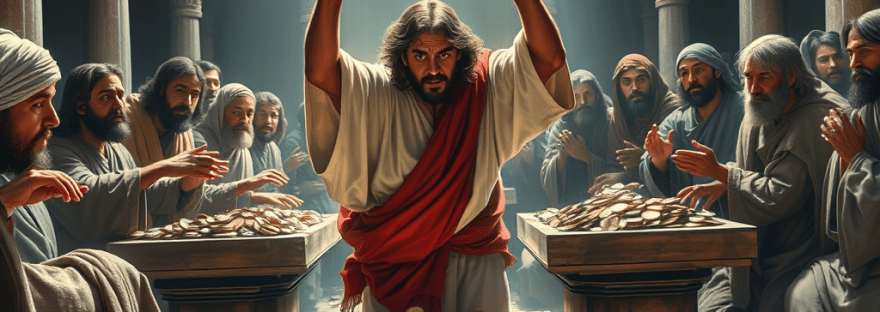



 Finding Total Recovery in the Words of Christ, "It is Finished!"